




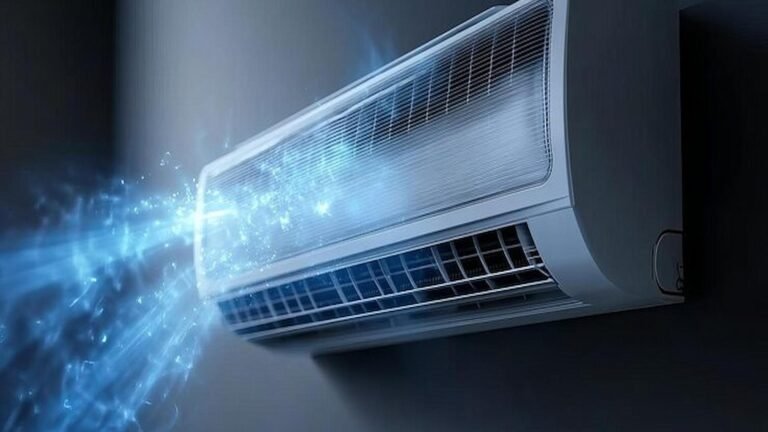
As the final frost of winter thaws and the first blossoms of spring appear, most homeowners begin thinking about lawn care, exterior painting, and deep-cleaning their interiors. However, there is one critical component of home comfort that often remains “out of sight, out of mind” until the first sweltering heatwave of June arrives: the air conditioning system. After sitting dormant or running sporadically during the cooler months, your AC unit requires a specific set of checks to ensure it can handle the high-demand cycles of an American summer. A cooling system is a complex mechanical network that relies on airflow, chemical heat exchange, and electrical precision. Neglecting these elements doesn’t just lead to discomfort; it significantly increases your monthly utility bills and shortens the overall lifespan of your equipment.
Preparing your home for the rising mercury requires a proactive strategy that moves beyond simple troubleshooting. By following a comprehensive spring AC maintenance checklist, you can identify minor mechanical wear and tear before it evolves into a catastrophic system failure. This seasonal transition is the ideal time to calibrate your thermostat, inspect your ductwork, and ensure that the refrigerant levels are optimized for heat extraction. Taking these steps early in the year provides you with the peace of mind that your home will remain a cool sanctuary, regardless of how high the outdoor temperature climbs.
The Foundation of Efficiency: Airflow and Filtration
The primary reason for AC inefficiency and mechanical breakdown is restricted airflow. Your air conditioner works by pulling warm indoor air across a set of cold evaporator coils. If that air cannot move freely, the system must run longer and work harder, which places immense strain on the blower motor and the compressor. The first step in any cooling season preparation is a thorough inspection of your air filters.
While many filters are advertised to last ninety days, the reality of a dusty spring or a home with pets often necessitates a change every thirty days. A clogged filter acts as a barrier, forcing the system to consume more electricity to achieve the same cooling effect. Beyond the filter, you should also ensure that all supply and return vents throughout your home are unobstructed by furniture, curtains, or accumulated dust. Proper circulation is the “breathing” mechanism of your HVAC system; without it, the entire cooling cycle is compromised.
Optimizing the Outdoor Condenser Unit
While the indoor portion of your AC handles the air distribution, the outdoor unit is responsible for releasing the heat collected from your home into the exterior air. Because this unit sits outside year-round, it is subject to the elements. During the fall and winter, leaves, twigs, and grass clippings can accumulate inside the cabinet or against the delicate aluminum fins. Before you flip the switch to “cool” for the first time, check your spring AC maintenance checklist to ensure the outdoor perimeter is clear.
You should maintain at least two feet of open space around the entire unit to allow for adequate heat dissipation. Use a soft brush or a vacuum with a brush attachment to gently remove any debris from the exterior fins. If the fins are bent, they can be straightened with a specialized fin comb. This simple bit of “yard work” for your HVAC unit ensures that the compressor doesn’t overheat, which is the most common cause of expensive mid-summer repairs.
Technical Checks and Calibration
Once the physical cleaning is complete, it is time to focus on the mechanical and electrical performance of the system. This stage often involves checking the “brain” of your cooling system—the thermostat. If you are still using an older manual slider, consider upgrading to a programmable or smart thermostat. Proper calibration ensures that the system kicks on and off at the correct intervals, preventing “short-cycling” which wastes energy and wears out the start capacitor.
Inspecting the Condensate Drain Line
High humidity means your air conditioner is pulling gallons of water out of the air every day. This moisture is funneled through a condensate drain line to the exterior of your home or a floor drain. Over time, algae and mold can grow inside this dark, damp pipe, eventually causing a blockage. A clogged drain line can cause water to back up into your home, leading to significant drywall damage or triggering a safety switch that shuts your cooling system down entirely. Flushing the line with a simple mixture of water and vinegar can prevent these clogs from forming.
Essential Maintenance Tasks for Homeowners
To keep your system running at peak performance, incorporate these specific tasks into your seasonal routine:
- Test the System Early: Turn the AC on for a full cycle in late April to ensure it reaches the set temperature without unusual noises.
- Listen for Odd Sounds: Grinding, squealing, or loud rattling often indicates a failing belt or motor bearing that needs professional lubrication.
- Examine Insulation: Check the thick “suction line” (the larger copper pipe) for damaged or missing foam insulation and replace it if necessary.
- Seal the Ductwork: Use foil tape or mastic sealant to close any visible gaps in accessible ductwork to prevent “cooling the attic.”
- Clear the Drainage: Ensure the exterior end of the condensate pipe is not buried in mulch or blocked by overgrown weeds.
The Value of Professional Inspections
While DIY maintenance is vital, it cannot replace the specialized tools and diagnostic expertise of a certified technician. A professional inspection involves checking the refrigerant charge—the chemical “coolant” that makes heat exchange possible. If the refrigerant is low, it indicates a leak that must be repaired, as these systems are closed loops and should never “use up” their charge. A technician will also tighten electrical connections and measure the amperage draw of the motors, ensuring that every component is operating within the manufacturer’s specified safety margins.
Conclusion
A well-maintained cooling system is an investment in your home’s longevity and your family’s daily comfort. By staying ahead of the heat with a consistent maintenance routine, you can enjoy lower energy costs, better indoor air quality, and a system that lasts for many years to come. Don’t wait for the first 90-degree day to find out your air conditioner isn’t up to the task. Take the time now to perform these essential checks and schedule a professional tune-up to ensure your home remains the ultimate cool retreat all summer long.