


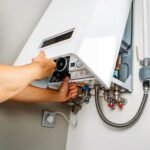

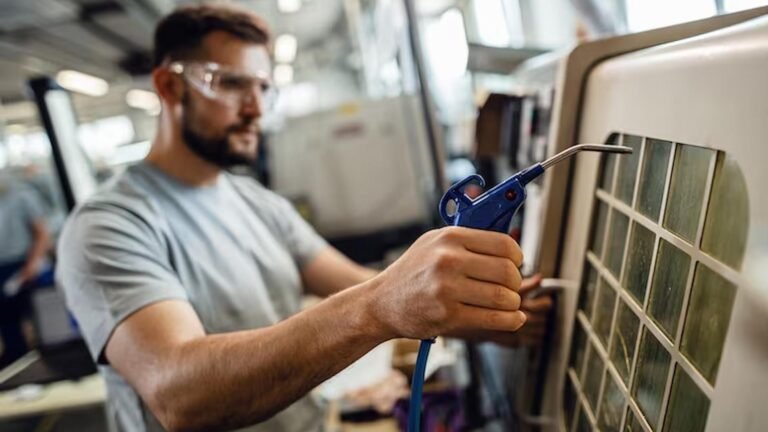
Modern businesses are increasingly investing in HVAC upgrades because energy efficiency, indoor air quality, and workplace comfort now play a major role in daily operations and long-term profitability. Commercial heating and cooling systems directly affect employee productivity, customer satisfaction, equipment performance, and overall energy consumption. Outdated systems often struggle to maintain consistent temperatures, increase utility costs, and require frequent repairs that disrupt business activities. Many companies now rely on professional commercial HVAC service providers to modernise ageing systems and improve overall building efficiency.
As energy prices continue to rise, businesses are prioritising smart climate control solutions that reduce operational costs while supporting healthier indoor environments. Advanced HVAC technology offers improved airflow management, automated temperature control, enhanced ventilation systems, and long-term energy savings. From offices and retail spaces to warehouses and hospitality properties, investing in modern HVAC upgrades has become a strategic business decision that supports sustainability, operational reliability, and long-term commercial performance.
Understanding the Value of Modern HVAC Systems
Modern HVAC systems are far more than simple climate control tools. They integrate advanced technologies such as smart thermostats, energy recovery ventilators, and variable refrigerant flow systems. These innovations allow businesses to precisely control temperature, humidity, and air quality, creating environments that support both employees and sensitive equipment.
Additionally, newer systems are designed with energy efficiency in mind. This not only reduces environmental impact but also offers substantial savings on monthly energy costs. For businesses operating on thin margins, these reductions can make a meaningful difference to the bottom line.
Key Benefits of HVAC Upgrades for Businesses
Upgrading commercial HVAC systems provides a range of advantages that directly influence both operations and workplace satisfaction:
- Improved Employee Productivity – Comfortable temperatures and consistent air quality reduce fatigue, enhance focus, and minimise sick days.
- Energy Efficiency – Modern systems consume less power, leading to lower utility bills and reduced carbon footprint.
- Enhanced Indoor Air Quality – Advanced filtration and ventilation help remove allergens, dust, and pollutants, creating healthier workplaces.
- Regulatory Compliance – Upgrades can ensure systems meet local building codes and environmental regulations, avoiding costly fines.
- Asset Longevity – High-quality installations reduce wear and tear, extending the lifespan of the system and reducing maintenance costs.
Identifying When an Upgrade is Necessary
Even well-maintained systems eventually reach the end of their optimal performance life. Signs that an upgrade may be necessary include:
- Frequent breakdowns or repairs
- Uneven heating or cooling across zones
- Rising energy bills without increased usage
- Outdated equipment incompatible with modern controls
Professional evaluation is essential to determine whether a full system replacement, partial retrofit, or component upgrade is the best course of action.
How to Approach a Commercial HVAC Upgrade
A structured approach ensures a successful investment. Businesses should consider the following steps:
- Assessment – Conduct a thorough audit of existing systems, energy usage, and building requirements.
- Planning – Develop a customised upgrade plan that prioritises efficiency, cost-effectiveness, and long-term scalability.
- Implementation – Engage certified technicians to install, test, and optimise new equipment.
- Monitoring – Regularly track performance metrics to ensure the system operates as intended and to schedule preventive maintenance.
Conclusion
The growing demand for commercial HVAC upgrades reflects a broader shift toward energy-efficient, cost-effective, and performance-driven business operations. Modern HVAC systems provide far more than heating and cooling. They improve indoor air quality, support employee comfort, reduce energy waste, and help businesses maintain consistent operational efficiency throughout the year. Companies that invest in advanced climate control technology often experience lower utility expenses, fewer equipment failures, and improved workplace environments that positively influence productivity and customer experience. Smart HVAC solutions also support sustainability goals by reducing carbon emissions and improving overall building efficiency.
As commercial buildings continue evolving to meet modern standards, upgrading HVAC infrastructure is becoming an essential part of long-term business planning rather than an optional improvement. Businesses that prioritise reliable heating, ventilation, and air conditioning systems position themselves for stronger operational performance, better energy management, and greater long-term value in an increasingly competitive commercial environment.