
A heating system can only perform as well as the airflow supporting it. Even a high-efficiency furnace or heat pump will struggle to keep your home comfortable if warm air can’t move freely through the ductwork and living spaces. That’s why improving airflow is one of the simplest and most effective ways to increase heating efficiency while reducing unnecessary energy use.
If you’ve noticed uneven temperatures, rising utility bills, or rooms that never seem to warm up, it may be time to look beyond your heating equipment itself. Working with an experienced heating contractor Montgomery County, PA can help identify airflow issues that limit your system’s performance before they become larger problems.
Why Airflow Matters for Heating Efficiency
Your heating system is designed to circulate warm air evenly throughout your home. When airflow is restricted, the system has to work longer to reach the desired temperature, consuming more energy and placing additional wear on critical components.
Proper airflow helps your heating system:
- Maintain consistent indoor temperatures
- Reduce energy consumption
- Improve overall comfort
- Minimize strain on the blower motor
- Extend the lifespan of heating equipment
Even small airflow restrictions can have a noticeable impact over an entire heating season.
Common Causes of Poor Airflow
Many homeowners assume uneven heating means their furnace is failing. In reality, several everyday issues can restrict airflow without indicating a major equipment problem.
Some of the most common causes include:
- Dirty or clogged air filters
- Blocked supply or return vents
- Leaky or damaged ductwork
- Closed interior doors that disrupt air circulation
- Furniture covering floor registers
- Dust buildup inside ducts
- Improperly sized HVAC systems
Identifying the source of restricted airflow is the first step toward improving efficiency.
How Dirty Air Filters Affect Performance
One of the easiest maintenance tasks also has one of the biggest impacts on airflow.
As an air filter collects dust, pet hair, pollen, and other airborne particles, it gradually becomes more restrictive. When airflow decreases, your heating system must work harder to push warm air through the filter.
Replacing filters on a regular schedule helps:
- Improve airflow
- Protect HVAC components
- Maintain better indoor air quality
- Support consistent heating performance
Filter replacement frequency depends on factors such as pets, allergies, and household dust levels, but checking the filter every month during heating season is a good habit.
Keep Vents and Registers Clear
Supply and return vents are designed to keep air moving continuously throughout the home. Blocking these openings interrupts the entire circulation process.
Avoid placing:
- Sofas
- Bookcases
- Curtains
- Area rugs
- Storage boxes
over floor or wall vents.
Some homeowners also close vents in unused rooms hoping to save energy. In most modern HVAC systems, this can actually reduce efficiency by creating pressure imbalances within the duct system.
Ductwork Plays a Bigger Role Than Many Realize
Your ductwork serves as the delivery network for heated air. Even an efficient furnace cannot compensate for damaged or poorly sealed ducts.
Common duct problems include:
- Air leaks
- Loose connections
- Crushed flexible ducts
- Poor insulation in unconditioned spaces
- Dust accumulation restricting airflow
Professional duct inspections can reveal hidden issues that are difficult to detect without specialized equipment.
Balance Airflow Throughout the Home
Some homes naturally experience temperature differences between floors or rooms. Upper levels may become warmer while basements remain cooler, especially during winter.
Improving airflow balance may involve:
- Adjusting dampers within the duct system
- Ensuring return air pathways remain unobstructed
- Sealing duct leaks
- Adding additional return vents where appropriate
- Correcting oversized or undersized duct sections
Balanced airflow allows heated air to reach every part of the home more consistently.
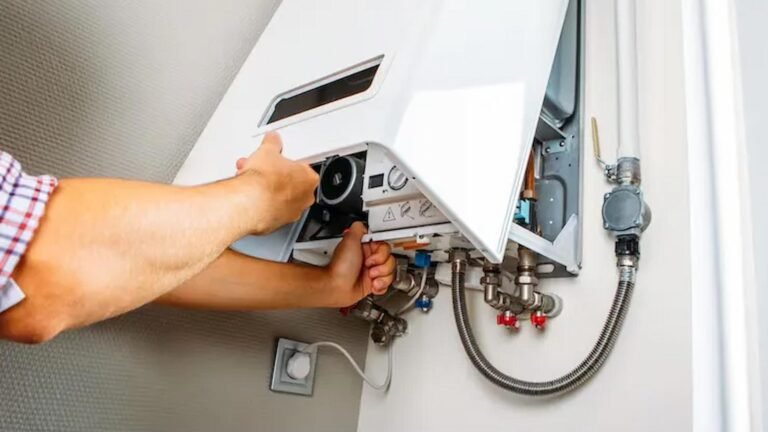
The Importance of Routine HVAC Maintenance
Regular maintenance helps identify airflow problems before they reduce efficiency or lead to costly repairs.
During a professional heating inspection, technicians typically evaluate:
- Blower motor performance
- Air filter condition
- Duct connections
- Airflow measurements
- Thermostat operation
- Heat exchanger and burner performance
- Overall system safety
Routine service not only supports efficient airflow but also helps ensure your heating system operates safely throughout the season.
Signs Your Home May Have Airflow Problems
Airflow issues often develop gradually, making them easy to overlook until comfort noticeably declines.
Watch for signs such as:
- Certain rooms staying colder than others
- Weak airflow from vents
- Heating cycles that seem unusually long
- Higher-than-normal heating bills
- Frequent furnace cycling
- Excess dust throughout the home
- Whistling or rattling sounds from ductwork
If multiple symptoms appear together, an airflow assessment can help pinpoint the underlying cause.
Small Changes That Can Make a Big Difference
Many airflow improvements require little effort but deliver lasting benefits.
Homeowners can improve heating efficiency by:
- Replacing air filters regularly
- Keeping vents open and unobstructed
- Scheduling annual HVAC maintenance
- Sealing obvious duct leaks when accessible
- Keeping interior doors open when possible to improve circulation
- Maintaining clean return air vents
For more complex airflow concerns, a professional evaluation is often the most effective solution.
When Professional Help Is the Best Option
Some airflow problems cannot be solved through basic maintenance alone. Poor duct design, aging equipment, or improperly sized HVAC systems require experienced evaluation.
A qualified technician can perform airflow testing, inspect ductwork, and recommend practical solutions based on your home’s layout and heating needs. Addressing these issues early often improves comfort while reducing unnecessary strain on the entire heating system.
Conclusion
Proper airflow is one of the most overlooked factors affecting heating efficiency. Even the most advanced heating equipment depends on unrestricted air circulation to deliver consistent warmth throughout your home. Simple maintenance tasks like changing filters and keeping vents clear can make a noticeable difference, while professional inspections can uncover hidden duct or airflow problems before they become more expensive to fix.
By paying attention to airflow, homeowners can enjoy a more comfortable indoor environment, lower energy costs, and a heating system that performs reliably for years to come.