


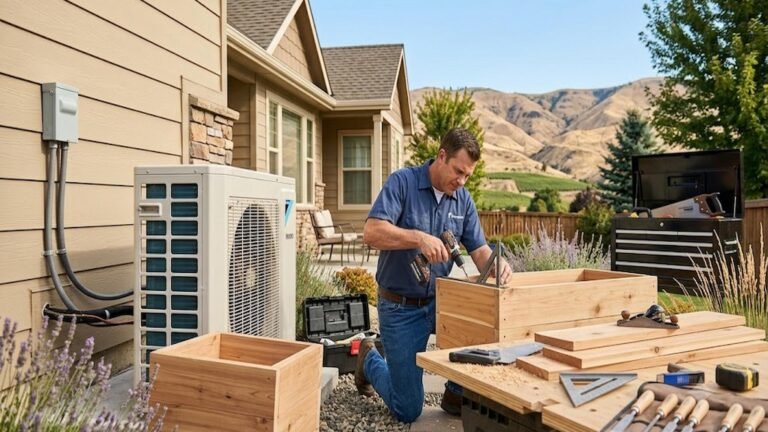
Carpentry is one of the most useful DIY skills a homeowner can develop. Whether you’re hanging shelves, repairing damaged trim, building simple furniture, or tackling home improvement projects, understanding the basics makes every job easier, safer, and more professional.
The good news is that you don’t need years of experience or a workshop full of expensive equipment to get started. With a few essential tools, the right techniques, and a little patience, you can complete many common woodworking projects with confidence.
This guide covers the fundamental carpentry skills every beginner should learn, including measuring accurately, cutting wood, fastening materials, leveling surfaces, basic framing, trim installation, wood repairs, safety practices, and choosing the right materials. Master these basics, and you’ll have a strong foundation for countless DIY projects around your home.
Why Learning Basic Carpentry Is Worth It
Carpentry skills save both time and money while giving you greater control over home maintenance. Instead of hiring someone for every small repair, you’ll be able to handle many projects yourself.
Benefits include:
- Lower home maintenance costs
- Better understanding of home construction
- Greater confidence tackling DIY projects
- Improved repair quality
- The ability to customize your living space
- Valuable skills that last a lifetime
Even simple projects help develop the experience needed for more advanced work later.
Essential Carpentry Tools for Beginners
You don’t need dozens of tools to begin learning carpentry. A basic toolkit covers most beginner projects.
Measuring and Layout Tools
Accurate measurements are the foundation of every successful project.
Essential tools include:
- Tape measure
- Speed square
- Combination square
- Carpenter’s pencil
- Chalk line
- Spirit level
These tools help ensure cuts are accurate and everything stays straight and square.
Cutting Tools
Different projects require different cutting tools.
Common beginner options include:
- Hand saw
- Circular saw
- Miter saw
- Jigsaw
- Utility knife
Start with simple cuts before moving on to more detailed woodworking tasks.
Fastening Tools
Most carpentry projects involve joining pieces of wood securely.
Useful fastening tools include:
- Hammer
- Nail set
- Cordless drill
- Impact driver
- Screwdrivers
- Nail puller
Quality fasteners and the correct tool make assemblies stronger and cleaner.
Safety Equipment
Safety should always come before speed.
Always keep these nearby:
- Safety glasses
- Hearing protection
- Dust mask
- Work gloves
- Knee pads when needed
Protective equipment prevents injuries that can happen even during simple projects.
Skill 1: Measuring Accurately
The old saying “measure twice, cut once” exists for a reason.
Even small measuring mistakes can ruin an entire project.
When measuring:
- Keep the tape straight.
- Read measurements carefully.
- Double-check before cutting.
- Mark clearly with a sharp pencil.
- Measure from the same reference point whenever possible.
Small improvements in measuring accuracy dramatically improve finished results.
Skill 2: Making Clean, Straight Cuts
Cutting wood correctly is one of the first practical carpentry skills every homeowner should practice.
Good cuts require:
- Stable work support
- Sharp blades
- Proper alignment
- Slow, controlled movement
- Securely clamped material
Avoid forcing the saw through the wood. Let the blade do the work while maintaining steady pressure.
For decorative pieces like trim or molding, precision becomes even more important because small mistakes remain visible after installation.
Skill 3: Learning How to Fasten Wood Properly
Choosing between nails and screws depends on the project.
Nails work best for:
- Framing
- Trim installation
- Quick assembly
Screws work best for:
- Shelving
- Furniture
- Repairs
- Heavy-duty projects
Whenever driving screws near the edge of wood, drill pilot holes first. This greatly reduces splitting and makes installation easier.
Skill 4: Using a Level Correctly
A project that isn’t level often looks unfinished, even if every cut is perfect.
Use a level when installing:
- Shelves
- Cabinets
- Pictures
- Trim
- Deck framing
- Workbenches
Check both horizontal and vertical alignment before permanently fastening materials.
Taking an extra minute to verify level saves significant frustration later.
Skill 5: Understanding Basic Framing Concepts
Framing forms the structure behind walls, decks, sheds, and many other building projects.
Beginners don’t need to build an entire house to understand framing basics.
Important concepts include:
- Wall studs
- Top plates
- Bottom plates
- Floor joists
- Ceiling joists
- Load-bearing structures
Learning how framing works helps homeowners safely complete repairs while recognizing projects that require professional assistance.
Skill 6: Installing Trim and Molding
Trim gives rooms a finished appearance while covering gaps between materials.
Common trim includes:
- Baseboards
- Door casing
- Window trim
- Crown molding
- Quarter-round molding
Successful trim installation depends on:
- Accurate measuring
- Precise angle cuts
- Careful fitting
- Minimal nail holes
- Smooth caulking
- Proper painting or staining
Patience matters more than speed when working with finish carpentry.
Skill 7: Repairing Damaged Wood
Wood naturally expands, contracts, and experiences wear over time.
Fortunately, many problems are repairable without replacing the entire piece.
Common wood repairs include:
- Filling nail holes
- Repairing dents
- Fixing scratches
- Replacing rotted sections
- Tightening loose joints
- Sanding damaged surfaces
Wood filler works well for cosmetic damage, while epoxy repair products help restore more significant deterioration.
Always remove loose or rotted material before beginning repairs.
Choosing the Right Wood
Different projects require different materials.
Softwoods
Examples include:
- Pine
- Spruce
- Fir
Best for:
- Framing
- Practice projects
- Shelving
- General DIY work
Hardwoods
Examples include:
- Oak
- Maple
- Walnut
- Cherry
Best for:
- Furniture
- Cabinets
- Decorative woodworking
- Durable finished projects
Engineered Wood Products
Common options include:
- Plywood
- MDF
- Particleboard
- OSB
These materials offer affordability and consistent dimensions for many indoor projects.
Selecting the correct material improves durability and project performance.
Sanding and Surface Preparation
Good finishing begins long before paint or stain is applied.
Proper sanding:
- Smooths rough edges
- Removes splinters
- Improves appearance
- Helps finishes adhere evenly
Begin with a coarser grit when necessary, then progress to finer grits for a smooth surface.
Always sand in the direction of the wood grain to avoid visible scratches.
Common Beginner Carpentry Mistakes
Every DIY homeowner makes mistakes while learning. The goal is to recognize and avoid the most common ones.
Watch out for:
- Measuring only once
- Cutting on the wrong side of the line
- Using dull blades
- Skipping pilot holes
- Choosing the wrong fasteners
- Ignoring wood movement
- Rushing through assembly
- Forgetting safety equipment
Taking your time almost always produces better results.
Simple Projects to Build Your Skills
Practice is the fastest way to improve.
Begin with manageable projects like:
- Floating shelves
- Storage boxes
- Garden planters
- Picture frames
- Workbenches
- Coat racks
- Small benches
- Simple outdoor furniture
Each project teaches valuable skills that carry over into larger home improvements.
Safety Tips Every DIY Carpenter Should Follow
Safe habits protect both you and your project.
Remember to:
- Inspect tools before use.
- Keep blades sharp.
- Secure workpieces before cutting.
- Disconnect power tools before changing blades.
- Maintain a clean workspace.
- Keep hands away from cutting paths.
- Read tool instructions carefully.
- Never rush when tired or distracted.
A safe workspace leads to better workmanship and fewer accidents.
Frequently Asked Questions
What are the most important carpentry skills for beginners?
The most important beginner skills include accurate measuring, cutting wood safely, using a drill, fastening materials correctly, leveling projects, sanding surfaces, and understanding basic framing principles.
Do I need expensive tools to start carpentry?
No. A tape measure, hammer, cordless drill, level, square, hand saw, and a few basic hand tools are enough for many beginner projects. You can expand your collection as your skills grow.
Should beginners use nails or screws?
Both have their place. Nails are ideal for framing and trim work, while screws provide stronger holding power for shelves, furniture, and repair projects.
What type of wood is easiest for beginners?
Pine is one of the easiest woods to work with because it’s affordable, widely available, lightweight, and easy to cut and fasten.
Conclusion
Basic carpentry is a practical skill that empowers homeowners to tackle everyday repairs, improve their living spaces, and take on rewarding DIY projects with confidence. By mastering accurate measuring, clean cutting, proper fastening, leveling, simple framing, trim installation, and wood repair, you’ll build a strong foundation that supports countless home improvement tasks. Start with simple projects, work carefully, prioritize safety, and practice consistently. Every project you complete strengthens your skills, making future repairs and renovations easier, more enjoyable, and more successful.