


As temperatures begin rising, homeowners often rely heavily on their cooling systems to maintain indoor comfort throughout the summer. However, many air conditioning problems develop gradually and remain unnoticed until systems begin struggling during periods of extreme heat. Waiting until the hottest days of the year to address maintenance concerns can lead to higher energy bills, reduced cooling performance, and unexpected breakdowns.
Air conditioning systems work hardest during peak summer conditions. Dust buildup, restricted airflow, worn components, and refrigerant issues can all reduce efficiency over time. Without proper servicing, systems may run longer cooling cycles while delivering less consistent comfort.
Many homeowners eventually realise it is never too late for AC maintenance when rising temperatures begin exposing hidden performance issues within older or neglected cooling systems.Scheduling a tune-up before summer demand reaches its peak can improve efficiency, lower operating costs, and help homeowners avoid sudden system failures during extreme heat.
Improved Cooling Efficiency Throughout Summer
One of the biggest benefits of routine air conditioner maintenance is improved energy efficiency. Cooling systems operate more effectively when airflow remains unrestricted and internal components are properly cleaned and inspected.
Dirty air filters, dust-covered coils, and blocked outdoor units often force systems to work harder to maintain comfortable temperatures. As efficiency declines, cooling systems consume more electricity while providing less effective performance.
Several maintenance tasks that support better cooling efficiency include:
- Replacing dirty filters regularly
- Cleaning condenser coils
- Inspecting refrigerant levels
- Testing thermostat calibration
- Removing debris from outdoor units
Well-maintained systems generally cool homes faster and maintain more stable indoor temperatures throughout the day.
Why Efficiency Matters During Extreme Heat
Cooling systems often operate continuously during heatwaves. Systems that are already struggling with airflow restrictions or maintenance issues tend to lose efficiency more rapidly under heavy demand.
Improved efficiency helps reduce strain on equipment while lowering monthly electricity costs.
Lower Energy Bills and Reduced Operating Costs
Rising electricity bills are often one of the first signs that a cooling system requires maintenance. When components become dirty or worn, the system must use more energy to achieve the same cooling results. Routine tune-ups help improve airflow, reduce unnecessary strain, and optimise overall system performance. Several factors commonly contribute to increased cooling costs, including restricted airflow, dirty evaporator coils, thermostat problems, refrigerant imbalances, and ageing mechanical components. Addressing these issues early can significantly reduce long-term operating expenses while improving comfort throughout the summer season.
Reduced Risk of Unexpected Breakdowns
Few situations are more frustrating than losing air conditioning during a period of extreme summer heat. Unfortunately, neglected systems are far more likely to experience sudden failures when cooling demand becomes highest.
Routine inspections help identify developing problems before they lead to major breakdowns. Technicians can detect worn parts, electrical concerns, airflow issues, and refrigerant leaks early enough to prevent larger repairs.
Common warning signs that may indicate a system requires attention include:
- Weak airflow from vents
- Warm air during operation
- Unusual noises or vibrations
- Frequent cycling on and off
- Rising indoor humidity levels
Identifying these symptoms early often prevents more expensive emergency repairs later.
Small Problems Often Become Larger Repairs
Minor maintenance concerns rarely improve without attention. A dirty filter or loose electrical connection may seem insignificant initially, but continued strain frequently affects additional system components over time. Preventative servicing helps reduce the likelihood of larger mechanical failures during peak summer temperatures.
Better Indoor Air Quality and Humidity Control
Air conditioning systems play an important role in maintaining indoor air quality. Beyond cooling the home, they also help remove airborne particles and regulate humidity levels.
Dirty filters and neglected ductwork can circulate dust, allergens, and debris throughout indoor living spaces. Poor maintenance may also reduce the system’s ability to control humidity effectively.
Several maintenance habits that support healthier indoor air quality include: replacing air filters regularly, cleaning vents and surrounding areas, inspecting ductwork when necessary, monitoring humidity levels, and maintaining proper airflow throughout the home.
Balanced humidity and cleaner airflow often create a more comfortable indoor environment during warmer months.
Longer Equipment Lifespan
Air conditioning systems represent a significant household investment, making long-term equipment protection especially important for homeowners.
Routine tune-ups help reduce unnecessary strain on major components such as compressors, motors, and fans. Systems that operate efficiently generally experience less wear over time.
Cooling systems that receive regular maintenance often remain reliable for many additional years compared to neglected equipment.
Several maintenance practices that help extend system lifespan include:
- Cleaning internal components
- Maintaining proper refrigerant levels
- Improving airflow circulation
- Inspecting electrical connections
- Addressing small issues early
Long-term preventative care frequently delays the need for costly system replacement.
Improved Comfort and More Consistent Temperatures
A properly maintained cooling system generally provides more balanced and reliable indoor comfort throughout the home. When airflow becomes restricted or efficiency declines, some rooms may feel warmer than others. Inconsistent temperatures often indicate that the system is struggling to distribute cooled air evenly. Tune-ups help improve airflow performance and thermostat accuracy while reducing unnecessary cooling fluctuations.
Several common comfort issues linked to poor maintenance include uneven room temperatures, excessive humidity, weak airflow, long cooling cycles, and delayed cooling response during hot weather. Addressing these concerns early often creates a noticeably more comfortable indoor environment.
Professional Inspections Help Identify Hidden Issues
Many cooling system problems develop gradually and remain difficult to detect without a professional inspection. Internal wear, electrical issues, refrigerant leaks, and airflow restrictions may not become obvious until system performance declines significantly.
Professional technicians evaluate key components to ensure the system operates safely and efficiently before peak summer demand begins.
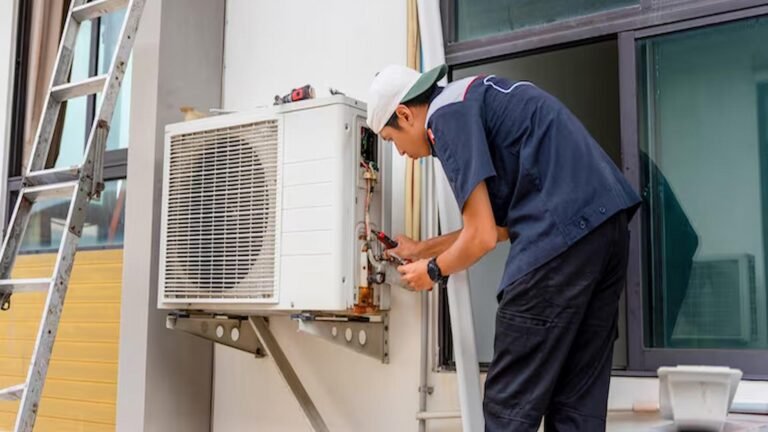
A typical AC tune-up may include:
- Inspecting electrical systems
- Cleaning coils
- Testing thermostat calibration
- Evaluating airflow efficiency
- Checking refrigerant performance
- Inspecting drain lines for blockages
These inspections provide homeowners with a clearer understanding of system condition and potential future repair needs.
Conclusion
Scheduling an air conditioner tune-up before peak summer heat arrives offers several important benefits for homeowners. Improved efficiency, lower energy costs, better indoor comfort, and reduced breakdown risks all contribute to a more reliable cooling system during warmer months.
Routine maintenance also helps identify developing problems early before they become expensive repairs or cause sudden system failures during extreme temperatures.
By investing in preventative AC maintenance before summer demand increases, homeowners can improve long-term system performance while creating a cooler, healthier, and more energy-efficient indoor environment.